
In short: a period is worth getting checked if you soak through a pad or tampon every hour for several hours, bleed longer than seven days, pass clots the size of a quarter or larger, have cramps that keep you from your life, bleed between periods, or have any bleeding after menopause. These symptoms usually have a cause, and the cause is usually treatable.
“That’s just part of being a woman.” If you’ve heard some version of that from a doctor, a mother, or a friend, you’re in a very large club. A lot of women spend years planning their lives around heavy, painful, or unpredictable periods because someone told them it was normal.
Some of it is. A lot of it isn’t. And most of what isn’t is treatable. Here’s how to tell the difference.
What Is a Normal Period?
Every body is different, but for most adults, a typical period:
- Comes every 21 to 35 days
- Lasts up to 7 days
- Brings cramps that over-the-counter pain relievers can manage
- Doesn’t stop you from working, sleeping, or living your life
Some variation from month to month is normal. What matters is whether your period is disrupting your life, and whether it has changed.
Signs of an Abnormal Period: When to See a Gynecologist
Talk to a specialist if any of these sound familiar:
- Soaking through a pad or tampon every hour for several hours in a row
- Needing to double up on protection, or change it during the night
- Bleeding for longer than 7 days
- Passing blood clots the size of a quarter or larger
- Feeling tired, weak, dizzy, or short of breath, which can be signs of anemia
- Cramps so bad you miss work, school, or plans, or that pain relievers don’t touch
- Pain during sex, or pelvic pain between periods
- Bleeding between periods or after sex
- Pressure or fullness in your pelvis, or needing to urinate more often
- Any bleeding after menopause. This always needs to be checked.
What Causes Heavy or Painful Periods?
Heavy or painful periods usually have a cause that can be found and treated. Common ones include:
- Fibroids: noncancerous growths in the uterus that can cause heavy bleeding, pressure, and pain
- Adenomyosis: when the uterine lining grows into the muscle wall of the uterus
- Endometriosis: when tissue similar to the uterine lining grows outside the uterus, often causing severe pain
- Polyps: small growths on the uterine lining
- Hormonal changes: including perimenopause and thyroid conditions
- Bleeding disorders or certain medications
If your symptoms started after an Essure birth control implant, that’s worth raising too.
Why So Many Women Are Told It's Normal
Nobody compares notes on periods, so most women have no idea whether theirs is unusual. Symptoms get brushed off as stress, or bad luck, or a low pain tolerance. Endometriosis, one of the most common causes of severe period pain, typically takes years to diagnose, not because it’s hard to find, but because it’s rarely looked for.
If you’ve been living with this for a long time, it’s not because you were overreacting. It’s because no one looked closely enough. Is this normal? Your symptoms deserve to be understood.
What Happens at a Gynecologist Visit for Heavy Periods
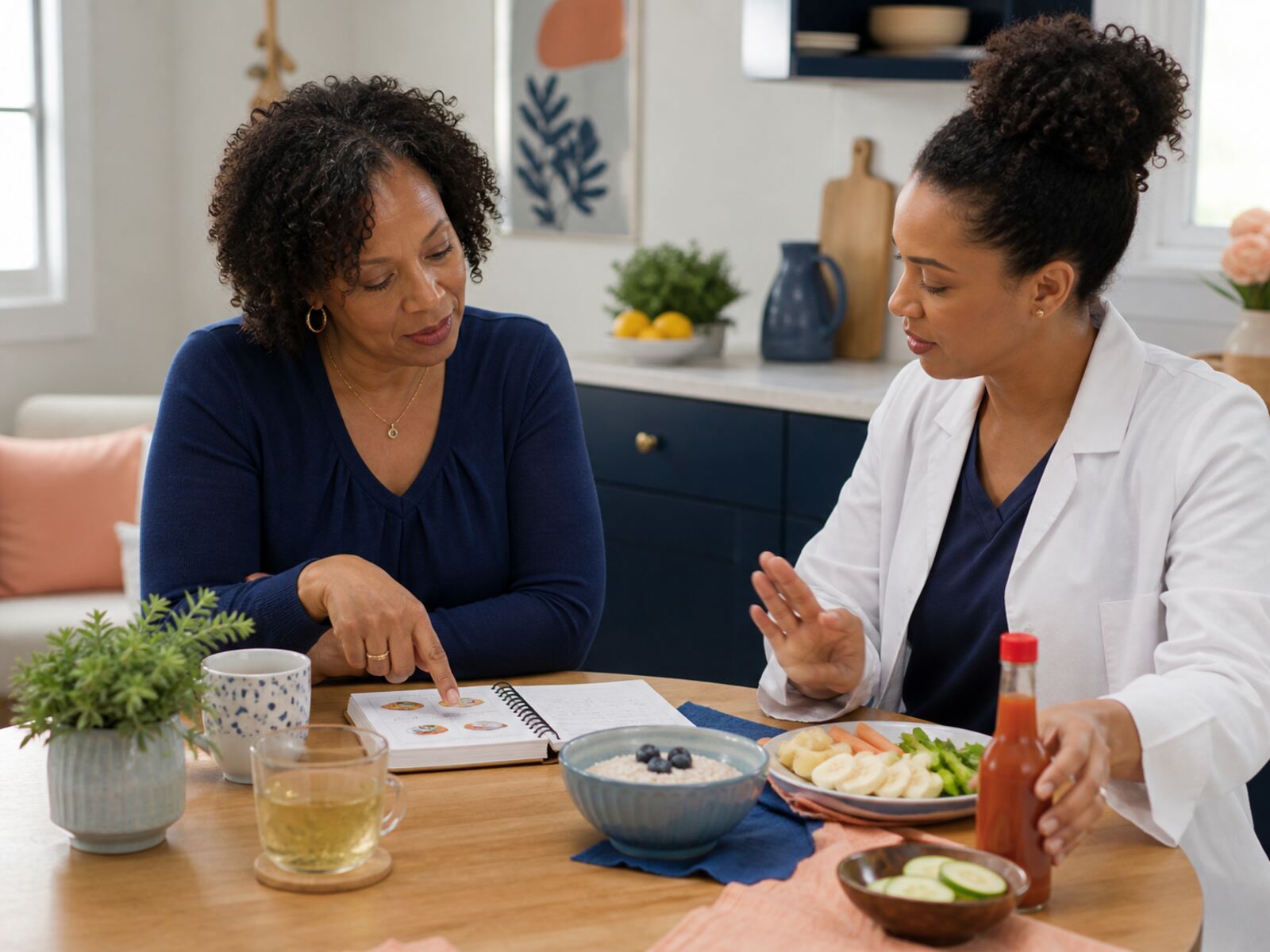
It starts with listening. Your physician will ask about your cycle, your symptoms, and how they affect your life. It helps to track your periods for a month or two beforehand. From there, your visit may include:
- A pelvic exam
- An ultrasound to look at your uterus and ovaries
- Blood work to check for anemia, thyroid issues, or hormone changes
- Other tests if needed, based on what your physician finds
Treatment Options for Heavy Periods, From Medication to Surgery
There is a wide range of options, and the right one depends on the cause, your symptoms, and your plans for the future.
- Medications: anti-inflammatory pain relievers, and medications that reduce heavy bleeding
- Hormonal options: birth control pills, a hormonal IUD, or other hormone treatments
- Minimally invasive procedures: such as treatments that thin or remove the uterine lining, procedures to treat fibroids, or laparoscopic surgery for endometriosis
- Hysterectomy: when it’s the right step, often done with minimally invasive techniques. We walk through every alternative first, so if you choose it, you’re choosing it, not settling.
When Heavy Bleeding Is an Emergency
Seek urgent care if you:
- Are soaking through a pad or tampon every hour for more than two hours
- Feel faint, dizzy, or have a racing heart with heavy bleeding
- Have sudden, severe pelvic pain
- Could be pregnant and have bleeding or pain
You Don't Have to Keep Living With It
There are answers, and there are treatment options, more of them than most women are ever told about. Transform’s women’s health team, led by Stanford-trained Dr. Rosenfield, listens first, explains what may be happening, and walks through every option with you before anything is decided. The right care starts with listening.
Frequently asked questions
How much
period bleeding is too much?
Soaking through a pad or tampon every hour for several hours, needing to double up on protection, bleeding longer than 7 days, or passing clots the size of a quarter or larger are all signs to talk to a specialist.
Can heavy periods cause anemia?
Yes. Losing a lot of blood each month can lower your iron levels, which may leave you feeling tired, weak, dizzy, or short of breath. A simple blood test can check.
Is it normal for my period to change in my 40s?
Changes are common in the years before menopause, but heavy bleeding, bleeding between periods, or new severe pain should still be checked.
Do I need a hysterectomy for fibroids?
Not necessarily. Many people with fibroids have options that don’t involve removing the uterus. Your physician will walk you through all of them.
Are painful periods a sign of endometriosis?
They can be. Severe cramps that disrupt your life, pain during sex, or pelvic pain between periods are all reasons to be evaluated for endometriosis.
Is bleeding after menopause normal?
No. Any bleeding after menopause should be checked by a physician.
How long is too long for a period?
Bleeding that lasts longer than seven days is a reason to talk to a specialist, especially if it’s heavy or a change from your usual cycle.
Should I track my periods before my appointment?
Yes. A month or two of notes on how long you bleed, how heavy it is, and how much pain you have helps your physician find the cause faster.