Ozempic works best with a team behind it, adjusting your plan as your body changes, not leaving you to figure it out alone.
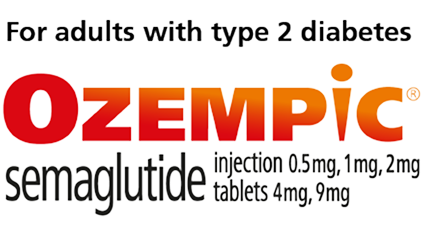
In short: if you've been wondering whether Ozempic (semaglutide) could help you lose weight, here's the honest starting point. It's FDA-approved for type 2 diabetes, not for weight loss, and it contains the same medicine as Wegovy, which is approved for weight management. If you have type 2 diabetes, Ozempic may be a good fit. If you don't, a physician will usually talk with you about Wegovy or Zepbound instead.

Bryan went from a playing weight in football to putting on weight. Working with Dr. Billing, he lost almost 200 pounds and regained his life.
Skye spent a lifetime struggling with her weight. After learning about her options and talking with Dr. Billing, she found a solution that was right for her.
Sean reached a point where he wanted a serious effort and a long-term solution for himself and his family. He lost weight and found a sustainable path forward.
Explore flexible payment options with Cherry.
No, and that surprises people. Ozempic is the most famous name in weight loss right now, and it is FDA-approved for adults with type 2 diabetes. The weight loss most people have heard about comes partly from the same medicine sold as Wegovy, at a higher dose, with a weight management approval.
Why does that matter to you? Two reasons. It shapes which medicine is the right fit, and it usually decides what your insurance will pay for.
Ozempic may be the right choice if you:
If you don’t have type 2 diabetes, your physician will usually talk with you about Wegovy or Zepbound instead, since they’re approved for weight management. Using Ozempic for weight loss alone is off-label, and it’s a decision to make carefully with your physician.
Ozempic acts like GLP-1, a hormone your gut releases after meals. It helps your body release insulin when blood sugar is high, slows how quickly your stomach empties, and reduces appetite. For many people with diabetes, that means better blood sugar numbers and weight loss together.
Ozempic can have gastrointestinal side effects. Managing those side effects is part of the care.
The most common are nausea, diarrhea, vomiting, constipation, and stomach discomfort. They tend to show up as the dose goes up and often ease with time. Going at the right pace is a big part of what your physician manages, and the goal is always the same: find the right dose for you.
Ozempic carries a boxed warning about thyroid C-cell tumors seen in animal studies, and it should not be used by anyone with a personal or family history of medullary thyroid carcinoma or MEN 2. Other serious risks include pancreatitis, gallbladder problems, kidney problems, and low blood sugar when combined with certain diabetes medicines. It is not for use during pregnancy. Your physician reviews the full prescribing information and your health history before anything is prescribed.
If you take insulin or another diabetes medication that can lower blood sugar, your physician may adjust those doses when you start Ozempic.
Without insurance, the list price for Ozempic is roughly $1,000 a month or more. Coverage depends on your plan and usually follows the FDA-approved use, so most plans cover Ozempic for type 2 diabetes and not for weight loss alone.
Our team verifies your benefits before you start and walks you through cash-pay and financing options. Prices change often; our cost and insurance guide has current numbers.
With Ozempic, the plan has two jobs: your blood sugar and your weight. Your physician starts by looking at all four medications against your health and your coverage, and tells you plainly if Ozempic isn’t the best fit. If it is, your blood sugar and body composition are tracked together, so your dose and your other diabetes medicines are adjusted from real numbers, in coordination with your primary care provider.
And if medication isn’t enough, you have somewhere to go. Some surgical procedures have strong results for type 2 diabetes, and the same team performs them.
Bottom line: Ozempic is a good medication for the right person, and the right person usually has type 2 diabetes. If that’s you, we’ll manage it well. If it isn’t, we’ll point you to the option that fits.
Ozempic is FDA-approved for type 2 diabetes, so using it only for weight loss is off-label. For most people without diabetes, a physician will discuss options approved for weight management, such as Wegovy or Zepbound.
Both contain semaglutide. Ozempic is approved for type 2 diabetes, and Wegovy is approved for weight management, with a higher maximum dose and different packaging.
Insurance usually covers Ozempic for type 2 diabetes. Coverage for weight loss alone is uncommon. Our team verifies your benefits before you start.
Sometimes. Switching should be guided by a physician, who will choose the right medicine, starting dose, and timing for you.
Ozempic was studied mainly in people with type 2 diabetes, where weight loss was measured but wasn’t the main goal. Wegovy, the same medicine at a higher dose, was studied for weight loss and produced about 15% average weight loss over 68 weeks.
Both are approved for type 2 diabetes. Mounjaro’s active ingredient, tirzepatide, produced more weight loss on average than semaglutide in head-to-head research. For weight loss without diabetes, Wegovy and Zepbound are the approved options.